As a professional photographer and tech enthusiast with over a decade of experience reviewing countless gadgets, I’ve seen the selfie stick evolve from a simple extendable pole into a sophisticated content creation tool. Gone are the days of wobbly, blurry self-portraits; today, we have the incredible selfie stick stabilizer, a game-changer for anyone serious about their photos and videos. Here at Spaod.com, we’re dedicated to helping you master your mobile photography, and trust me, understanding these devices is your next big step.
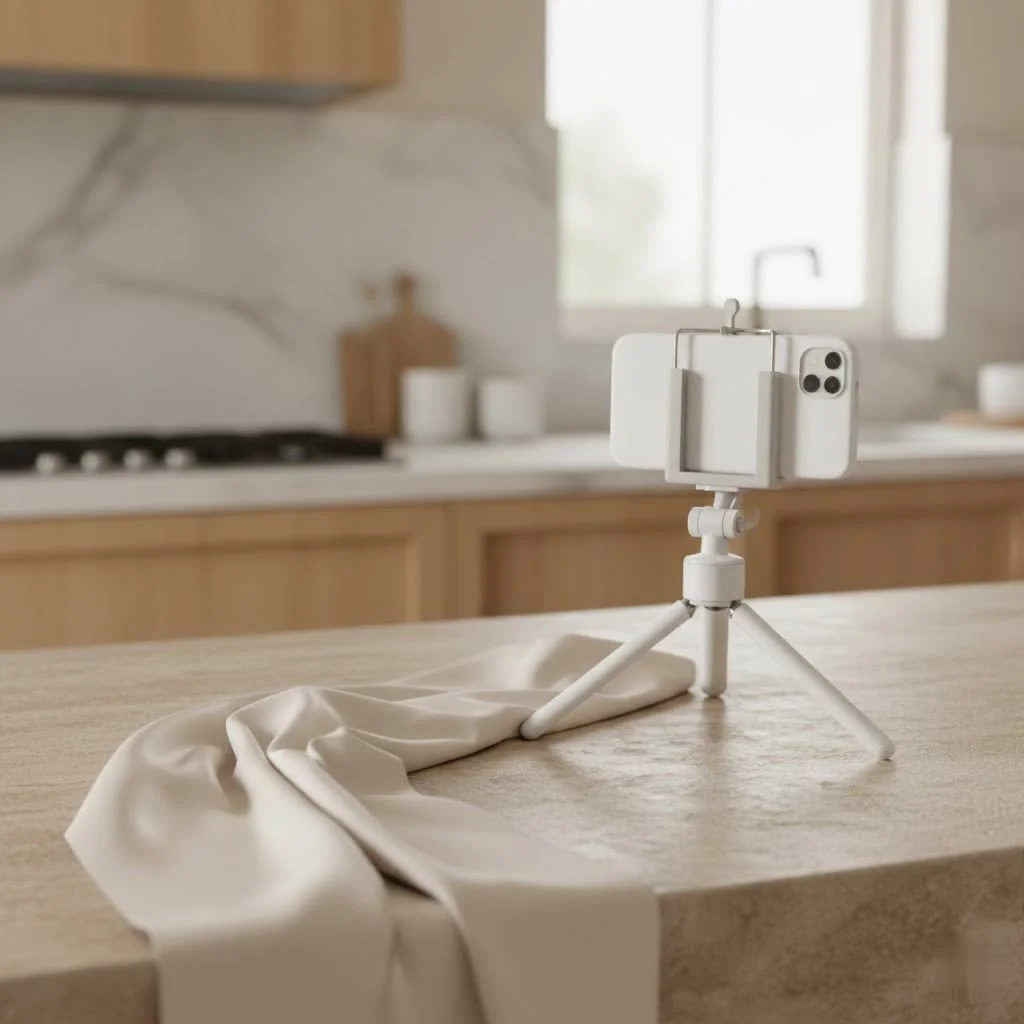
What Exactly is a Selfie Stick Stabilizer?
Imagine combining the best features of a traditional selfie stick with the cutting-edge technology of a motorized gimbal. That’s precisely what a selfie stick stabilizer offers. It’s a hybrid device designed to extend your reach while simultaneously eliminating unwanted shakes and jitters, delivering incredibly smooth and professional-looking footage and crisp photos. Unlike a basic selfie stick that merely holds your phone at a distance, a stabilizer employs advanced motors to counteract your movements in real-time, ensuring your shots remain steady, even when you’re on the move. “The fusion of extension and active stabilization is what truly elevates mobile content creation, turning everyday moments into cinematic memories,” explains Clara Thompson, a renowned mobile videography expert. For complete selfie stick library on this site.
Why You Need a Selfie Stick Stabilizer for Your Content
If you’ve ever watched a vlog or a dynamic travel video and wondered how they achieve such buttery-smooth shots, chances are a stabilizer was involved. Here’s why this device is essential for elevating your content:
- Eliminate Shaky Footage: This is the primary benefit. Whether you’re walking, running, or just holding your phone with an outstretched arm, a stabilizer counteracts those tiny movements that ruin otherwise perfect shots. Say goodbye to motion sickness-inducing videos!
- Enhance Video Quality: With shake-free footage, your videos immediately look more professional and cinematic. This smoothness allows viewers to focus on your content, not the distracting wobbles.
- Versatility for Various Scenarios: From dynamic vlogs and live streams to breathtaking travel videos, group photos, and creative low-angle shots, a stabilizer provides the stability needed to capture content previously only possible with heavier, more complex camera setups. It’s your compact studio on the go.
Key Features to Look for in a Modern Selfie Stick Stabilizer
Choosing the right selfie stick stabilizer can feel overwhelming with so many options available. Here are the crucial features that make a real difference:
Motorized Stabilization: The Core of Smoothness
This is the heart of any good stabilizer. Look for devices that offer 3-axis motorized stabilization. This means the gimbal actively corrects for tilt, roll, and pan movements, providing superior smoothness compared to basic electronic image stabilization (EIS) found in many smartphones, which can often result in distorted edges or a “jello” effect. Brands like DJI Osmo Mobile and Insta360 Flow are leaders in this area.
Extendable Reach & Integrated Tripod: Your Versatile Companion
|
Our Picks for the Best Selfie Stick in 2026
As an Amazon Associate I earn from qualifying purchases.
|
||
| Num | Product | Action |
|---|---|---|
| 1 | LỖI |

|
| 2 | TONEOF 68\" Magnetic Selfie Stick Tripod with Aluminum Strong Magnetic Holder for Magsafe, 360° Rotatable Travel Phone Tripod Stand with Metal Ring & Rechargeable Remote for iPhone/Android(Beige Gray) |
|
| 3 | ATUMTEK Selfie Stick Tripod, 3-in-1 Extendable Aluminum Phone Tripod with Detachable Bluetooth Remote, Compatible with iPhone 17/16/15/14/13/12/11/11 Pro/XS Max/XR and Samsung Smartphones, Black |
|
| 4 | MAGIC JOHN Phone Tripod, Portable Selfie Stick, Pocket Size Tripod for iPhone, Selfie Stick with Detachable Remote Control & 2 Fill Light for Photograph, Live Streaming, Video Recording |
|
| 5 | Phone Tripod Stand with Bluetooth Remote, Selfie Stick for iPhone & Android, One-Click Open Portable Lightweight Tripod for Vlog Travel Photography (White) |
|
| 6 | ULANZI SK27 Extendable Phone Tripod, 61\" Selfie Stick for iPhone, 2 in 1 Adjustable Tripod with Bluetooth Remote Cold Shoe Mount, Portable Phone Stand Lightweight for Travel Photo Video Stream Vlog |
|
| 7 | TONEOF 68\" Magnetic Selfie Stick Tripod with Aluminum Strong Magnetic Holder for Magsafe, 360° Rotatable Travel Phone Tripod Stand with Metal Ring & Rechargeable Remote for iPhone/Android(Black) |
|
| 8 | Phone Tripod & Selfie Stick with Remote, Portable, Lightweight for Video Recording Vlog, Extendable Travel Tripod Stand Compatible with iPhone Android, Black, 62\" |
|
| 9 | Selfie Stick Travel Tripod for Cell Phone with Remote Control and Phone Holder, Extendable Selfie Stick for iPhone, iPhone Tripod for Video Recording, 50 Inch, Black |
|
| 10 | SelfieShow Selfie Stick, Extendable Selfie Stick Tripod with Wireless Remote and Tripod Stand, Portable, Lightweight, Compatible with iPhone 15 14 13 12 Pro Xs Max X 8Plus, Samsung Smartphone and More |
|
A true selfie stick stabilizer is a multi-talented tool.
- Extendable Reach: Essential for capturing wider angles, fitting more friends into group photos, or getting unique elevated perspectives. A good extension rod will be sturdy and easy to adjust.
- Integrated Tripod Legs: Many models cleverly fold out into a stable tripod. This is invaluable for hands-free recording, time-lapses, long-exposure shots, or simply posing for group photos without needing to balance your device precariously.
Smart Tracking & AI Capabilities: Never Miss a Moment
Advanced selfie stick stabilizers are integrating artificial intelligence to revolutionize how you shoot.
- AI Tracking: Features like Insta360 Flow’s Deep Track 3.0 or DJI Osmo Mobile’s ActiveTrack can automatically follow a designated subject, keeping them perfectly in frame. This is a game-changer for solo vloggers or anyone wanting to capture dynamic action without manual adjustments.
- Template Shooting: Companion apps often include creative shooting templates and modes, making it easy to produce stylized videos with unique transitions and effects, even if you’re a beginner.
Bluetooth Remote & Ergonomic Design: Control at Your Fingertips
Convenience is key when you’re capturing content on the fly.
- Bluetooth Remote Shutter: A detachable Bluetooth remote allows you to trigger photos and videos from a distance, perfect for group shots or when using the tripod function.
- Ergonomic Design: A comfortable grip is vital, especially during extended shooting sessions. Look for lightweight yet durable construction that feels good in your hand.
Build Quality & Battery Life: Durability for Your Adventures
Your gear needs to keep up with your adventures.
- High-End Construction: Materials like aluminum alloy provide durability without adding excessive weight. A robust build ensures your device can withstand the rigors of travel and frequent use.
- Long-lasting Battery: Nothing is worse than running out of power mid-shoot. Look for models with excellent battery life, ideally offering several hours of operation on a single charge. Some even double as power banks for your phone.
Selfie Stick vs. Gimbal vs. Selfie Stick Stabilizer: A Clear Comparison
Understanding the nuances between these tools is crucial for making an informed choice:
| Feature | Traditional Selfie Stick | Dedicated Phone Gimbal | Selfie Stick Stabilizer (Hybrid) |
|---|---|---|---|
| Primary Function | Extend reach | Stabilize footage | Extend reach AND stabilize footage |
| Stabilization | None | Motorized (usually 3-axis) | Motorized (often 1-axis or 3-axis) |
| Extendable Rod | Yes | Often limited or none | Yes |
| Tripod Functionality | Often integrated | Sometimes integrated | Usually integrated |
| Portability | Very high (lightweight, compact) | Moderate (can be bulkier) | High (collapsible, all-in-one) |
| Ease of Use | Very simple | Requires some learning | User-friendly, intuitive |
| Best For | Casual selfies, group photos | Professional-grade video, cinematic shots | Vlogging, travel, dynamic selfies & videos |
| Price Range | Low ($10-$50) | Medium to High ($50-$300+) | Medium to High ($50-$250+) |
While a dedicated gimbal offers superior stabilization, it often lacks the extendable reach of a selfie stick. A traditional selfie stick, conversely, provides reach but zero stability. The selfie stick stabilizer intelligently bridges this gap, giving you the best of both worlds.
Choosing the Right Selfie Stick Stabilizer for Your Needs
To pick the perfect device, consider these factors:
- Your Primary Use:
- Mainly Photos & Occasional Videos: A simpler, more affordable hybrid with basic stabilization and tripod functionality might suffice.
- Vlogging & Dynamic Videos: Invest in a model with robust 3-axis stabilization, AI tracking, and good battery life like the DJI Osmo Mobile 6 or Insta360 Flow.
- Travel & Adventure: Look for durability, compactness, and potentially water resistance.
- Device Compatibility: Ensure the mount can securely hold your smartphone (and other cameras if applicable) and that the app is compatible with your operating system (iOS/Android).
- Budget: Prices vary significantly. Set a realistic budget, but remember that investing a bit more can often mean better stabilization, more features, and greater durability.
- Desired Features: Do you absolutely need AI tracking? Is a built-in fill light important for your low-light shots? Prioritize the features that align with your content creation style.
Pro Tips for Capturing Stunning Content with Your Stabilizer
Owning a selfie stick stabilizer is one thing; mastering it is another. Here are some tips from my decade of experience to help you get the most out of your device:
- Utilize Different Modes: Your stabilizer’s app likely offers various shooting modes like Pan Follow, Tilt Lock, or FPV. Experiment with these to understand how they affect your shots and choose the best one for the scene.
- Practice Smooth Movements: Even with stabilization, smooth operator movements enhance the final result. Try walking with a slight bend in your knees (the “ninja walk”) for extra fluidity.
- Experiment with Angles: Don’t just shoot at eye level. Use the extendable rod for high-angle “drone-like” shots or low angles for dramatic perspectives. The integrated tripod is perfect for stable, hands-free shots from any surface.
- Leverage Companion Apps: These apps often unlock your stabilizer’s full potential, offering features like motion time-lapses, hyperlapse, panoramic shots, and intelligent tracking controls.
- Pre-plan Your Shots: A little planning goes a long way. Think about your composition, movement path, and lighting before you hit record.
Maintaining Your Selfie Stick Stabilizer for Lasting Performance
To ensure your investment lasts and performs optimally, proper care is essential:
- Keep it Clean: Regularly wipe down the body and phone mount with a soft, dry cloth. Avoid getting dust or debris into the motor joints.
- Store Properly: When not in use, collapse your stabilizer to its most compact form and store it in its protective pouch or a safe place to prevent damage.
- Charge Correctly: Use the recommended charger and avoid overcharging. For long-term storage, it’s often best to leave the battery at around 50-60% charge.
- Avoid Extreme Conditions: While some models are rugged, most aren’t designed for heavy rain, extreme temperatures, or direct impact.
Frequently Asked Questions (FAQ)
Q1: Is a selfie stick stabilizer worth the investment?
A: Absolutely, especially if you’re serious about creating high-quality photos and videos with your smartphone. It offers significantly smoother footage and more creative flexibility than a basic selfie stick, bridging the gap between casual phone photography and professional-looking content.
Q2: Can I use a selfie stick stabilizer with any smartphone?
A: Most selfie stick stabilizers come with universal phone mounts designed to accommodate a wide range of smartphone sizes, from compact models to larger phablets. Always check the device’s specifications for compatible phone dimensions and weight limits to ensure a secure fit.
Q3: What’s the difference between a 1-axis and 3-axis stabilizer?
A: A 1-axis stabilizer primarily corrects for horizontal tilt (pitch), useful for smoother up-and-down movements. A 3-axis stabilizer, on the other hand, corrects for tilt (pitch), roll (sideways tilt), and pan (left-to-right rotation), offering comprehensive, professional-grade stabilization across all directions.
Q4: How does AI tracking work in a selfie stick stabilizer?
A: AI tracking uses advanced algorithms and your phone’s camera to identify and follow a designated subject (person, pet, or object) in real-time. Once activated, the stabilizer’s motors will automatically adjust to keep the subject centered in the frame, even if they move.
Q5: Are there selfie stick stabilizers for action cameras too?
A: Yes, some versatile selfie stick stabilizers are designed with interchangeable mounts or adapters that allow you to attach action cameras like GoPros, as well as lightweight mirrorless cameras, expanding their utility beyond just smartphones.
Capture Your World with Confidence
The selfie stick stabilizer is more than just a gadget; it’s an empowerment tool for content creators and casual photographers alike. It allows you to transform everyday moments into compelling, professional-looking stories, free from the distraction of shaky footage. By understanding its features, choosing wisely, and applying a few pro tips, you’ll be capturing stunning, flawless shots that truly stand out. So, go ahead, extend your reach, steady your shot, and unleash your creativity – the world is ready for your stable, brilliant content!
Get our weekly buyer guide
Practical specs, not advice. Unsubscribe anytime.

The information about the hybrid devices combining a selfie stick with a gimbal was super helpful. I bought one based on the advice, and while it does stabilize well, I found it a bit heavier than I expected. My arm gets tired after holding it up for a while, especially when I’m trying to get a long shot. Still, the video quality is definitely better.
I was so tired of my vacation videos looking shaky, even with my phone’s built-in stabilization. This guide really helped me understand the difference a motorized gimbal makes. I ended up getting the recommended model and my footage is so much smoother now. It’s a total game-changer for my travel vlogs!
I’ve been using a basic selfie stick for years, but the mention of eliminating unwanted shakes and jitters really caught my eye. I finally upgraded to a stabilizer and the difference in my photos is night and day. No more blurry group shots! It’s a bit of an investment, but totally worth it for clearer content.
As someone who’s always trying to get better mobile photography, I really appreciated the breakdown of what these devices actually do. I used to think all selfie sticks were the same, but understanding the motorized gimbal technology changed my perspective. My selfies and videos have never looked so professional. Thanks for the detailed explanation!