As a professional photographer and tech enthusiast with over a decade of experience, I’ve seen countless gadgets come and go. But few have had the lasting impact and sheer utility of the cell phone selfie stick. What started as a quirky accessory has evolved into an indispensable tool for anyone who loves capturing life’s moments, from casual snaps with friends to professional-grade vlogs. Here at Spaod.com, we’re all about helping you master your mobile photography, and today, we’re diving deep into everything you need to know about these fantastic devices.
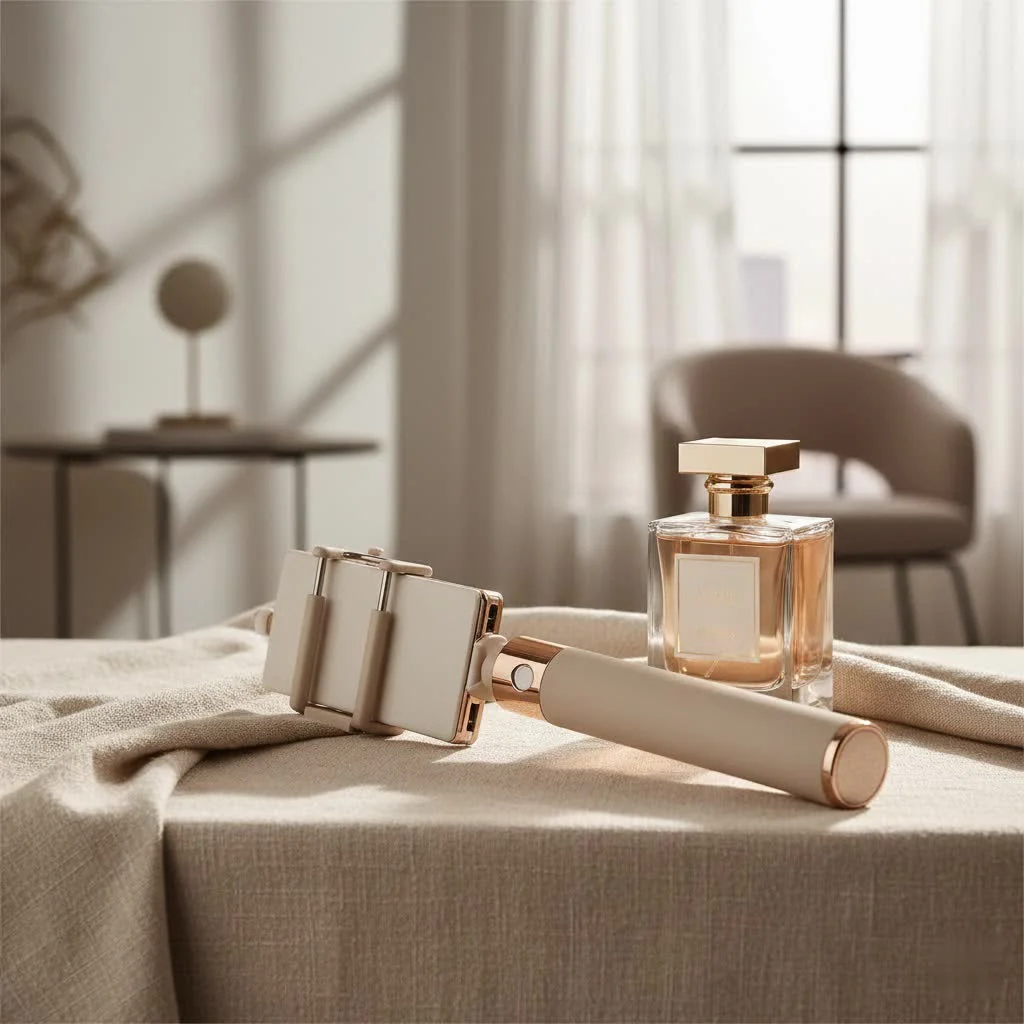
Why should you bother with a cell phone selfie stick? It’s simple: your arm, no matter how long, has its limits. A quality selfie stick extends your reach, opens up incredible new angles, and provides stability that transforms your everyday photos and videos into something truly special. It’s about more than just a selfie; it’s about expanding your creative horizons and ensuring you never miss the perfect shot.
Demystifying the Options: Types of Cell Phone Selfie Sticks
The market is flooded with options, and understanding the different types of cell phone selfie sticks is your first step toward finding the right one.
The Classic Extendable Stick
|
Our Picks for the Best Selfie Stick in 2026
As an Amazon Associate I earn from qualifying purchases.
|
||
| Num | Product | Action |
|---|---|---|
| 1 | MAGIC JOHN Phone Tripod, Portable Selfie Stick, Pocket Size Tripod for iPhone, Selfie Stick with Detachable Remote Control & 2 Fill Light for Photograph, Live Streaming, Video Recording |

|
| 2 | TONEOF 68\" Magnetic Selfie Stick Tripod with Aluminum Strong Magnetic Holder for Magsafe, 360° Rotatable Travel Phone Tripod Stand with Metal Ring & Rechargeable Remote for iPhone/Android(Beige Gray) |
|
| 3 | SelfieShow Selfie Stick, Extendable Selfie Stick Tripod with Wireless Remote and Tripod Stand, Portable, Lightweight, Compatible with iPhone 15 14 13 12 Pro Xs Max X 8Plus, Samsung Smartphone and More |
|
| 4 | Phone Tripod & Selfie Stick with Remote, Portable, Lightweight for Video Recording Vlog, Extendable Travel Tripod Stand Compatible with iPhone Android, Black, 62\" |
|
| 5 | TONEOF 68\" Magnetic Selfie Stick Tripod with Aluminum Strong Magnetic Holder for Magsafe, 360° Rotatable Travel Phone Tripod Stand with Metal Ring & Rechargeable Remote for iPhone/Android(Black) |
|
| 6 | ATUMTEK Selfie Stick Tripod, 3-in-1 Extendable Aluminum Phone Tripod with Detachable Bluetooth Remote, Compatible with iPhone 17/16/15/14/13/12/11/11 Pro/XS Max/XR and Samsung Smartphones, Black |
|
| 7 | LỖI |
|
| 8 | Phone Tripod Stand with Bluetooth Remote, Selfie Stick for iPhone & Android, One-Click Open Portable Lightweight Tripod for Vlog Travel Photography (White) |
|
| 9 | ULANZI SK27 Extendable Phone Tripod, 61\" Selfie Stick for iPhone, 2 in 1 Adjustable Tripod with Bluetooth Remote Cold Shoe Mount, Portable Phone Stand Lightweight for Travel Photo Video Stream Vlog |
|
| 10 | Selfie Stick Travel Tripod for Cell Phone with Remote Control and Phone Holder, Extendable Selfie Stick for iPhone, iPhone Tripod for Video Recording, 50 Inch, Black |
|
This is the original workhorse: a simple, telescopic pole with a clamp for your phone at one end and a grip at the other. It’s straightforward, often lightweight, and excellent for getting that extra reach for group photos or wider backgrounds. These typically focus on portability and ease of use.
The Versatile 3-in-1 (Stick, Tripod, Remote)
These are arguably the most popular and practical cell phone selfie stick designs today. They combine the extendable pole with a built-in tripod base that folds out, transforming your stick into a stable stand for hands-free shooting, video calls, or live streaming. Many also include a detachable Bluetooth remote, allowing you to trigger your camera from a distance. Top contenders like the ATUMTEK 3-in-1 have earned high praise for their all-around functionality and durability.
The Advanced Stabilizers (Gimbal Selfie Sticks)
For serious mobile videographers and content creators, gimbal selfie sticks are a game-changer. Brands like DJI Osmo Mobile offer advanced stabilization technology, using a three-axis gimbal to keep your footage incredibly smooth, even when you’re on the move. While they might not extend as far as a dedicated selfie stick, the cinematic quality they deliver is unparalleled.
Wired vs. Wireless (Bluetooth)
Connectivity primarily comes in two forms:
- Wired: These typically connect via your phone’s headphone jack or, less commonly, a charging port. The button on the stick directly triggers your camera. While reliable, they are less common now.
- Wireless (Bluetooth): The most prevalent type, Bluetooth selfie sticks pair wirelessly with your smartphone, often featuring a detachable remote. This offers incredible freedom, allowing you to take shots from several meters away. Just remember to keep that remote charged!
Choosing Your Perfect Companion: Key Factors to Consider
Selecting the right cell phone selfie stick can feel overwhelming, but by focusing on these key factors, you’ll narrow down your choices and find a stick that truly meets your needs.
Reach and Portability: Finding the Sweet Spot
How long do you need it to be? While some sticks boast impressive extended lengths up to 72 inches, “longer isn’t always better.” A stick that extends to 30-50 inches is usually sufficient for most purposes, providing ample reach for group shots and scenic backgrounds without becoming unwieldy. Consider its folded length too; an ideal travel companion should collapse compactly, easily fitting into a backpack or even a pocket. Models like the ATUMTEK prioritize both compactness and impressive extension.
Built to Last: Material and Durability
Don’t fall for flimsy plastic. A durable cell phone selfie stick is an investment in your mobile photography. Look for sticks made from aluminum alloy or stainless steel, which offer superior strength, corrosion resistance, and a longer lifespan. Pay attention to the joints and extension mechanism; smooth, secure locking systems are a must for stability.
A Secure Embrace: Phone Clamp and Compatibility
Your phone is precious, so its holder needs to be robust. Look for adjustable clamps with rubberized pads that provide a firm, non-slip grip without scratching your device. Many high-quality sticks, such as the BZE 40-Inch Extendable, feature screw-tightened mounts for maximum security. Ensure the clamp is compatible with your phone’s size, even with a case on. Some versatile models can also accommodate action cameras or smaller digital cameras, often with a 1/4-inch screw mount.
Seamless Control: Connectivity Options
For most users, a Bluetooth remote is the way to go. It offers unparalleled convenience for hands-free shooting. Ensure the remote is easy to pair and has decent battery life. “You can pair a selfie stick to at least 5 separate smartphones – if not more,” noted photography tech expert, Anya Sharma. “This flexibility is key for group outings.”
Stability Matters: Tripod Functionality
If you plan to use your stick for vlogging, long exposures, or stable group shots, a sturdy tripod base is essential. Look for models with wide-spreading legs and anti-slip feet. While compact, the stability of tripod legs can vary, especially on uneven terrain. The K&F CONCEPT Popod, for example, is highlighted for its robust aluminum construction and stable base, even at full height.
Beyond the Basics: Extra Features to Look For
- 360-Degree Rotation: Allows you to switch effortlessly between landscape and portrait orientations, giving you more creative freedom.
- Built-in Mirror: For sticks without a detachable remote, a small mirror on the phone holder can help you frame shots using your phone’s higher-quality rear camera.
- Accessory Mounts: Some advanced sticks include cold shoe mounts for attaching external LED lights or microphones, turning your setup into a mini mobile studio.
Mastering the Art of the Selfie Stick: Tips for Stunning Photos & Videos
Having the best cell phone selfie stick is only half the battle. Knowing how to wield it effectively makes all the difference. After years of experimenting, here are my top tips:
Harnessing the Light: Your Best Friend for Great Shots
Lighting can make or break any photograph. For selfies, “natural light is your secret weapon.” Position yourself facing a window indoors or with the sun (or an overcast sky, which acts as a giant softbox!) in front of you outdoors. Avoid harsh overhead sun or bright lights directly behind you, as these can create unflattering shadows or wash out your features. If your stick has an accessory mount, a small ring light can work wonders in low-light situations.
Angle Advantage: Finding Your Best Perspective
The beauty of a selfie stick is the angles it unlocks. Experiment! Generally, “a slightly elevated angle looking down at you can be very flattering, giving the illusion of a slimmer face.” Rotate the stick, tilt your phone, and take a few test shots. Make sure your extended arm isn’t visible in the frame unless that’s the artistic effect you’re going for. Use your stick to get higher-angle shots for a unique perspective or lower angles for dramatic effect.
Unleash Your Creativity: Experiment and Express
Your cell phone selfie stick is a tool for expression. Don’t just stick to eye-level shots.
- Action Shots: Capture dynamic moments, like jumping or running, by extending the stick and using the remote.
- Background Focus: Use the extended reach to include more of your stunning surroundings.
- Unique Perspectives: Try holding the stick low for a worm’s-eye view, or extend it high above a crowd for a unique vantage point.
- Time-lapse: Set your stick in tripod mode and capture beautiful time-lapses.
Camera Care: Clean Lenses and Rear Camera Magic
This might seem obvious, but a smudged lens is the enemy of a crisp photo. “Always give your phone’s camera lens a quick wipe before shooting.” And if your selfie stick has a mirror, use it! Your phone’s rear camera is almost always superior in quality to the front-facing camera. The mirror helps you frame your shot perfectly while utilizing that higher-resolution sensor.
Troubleshooting Common Hiccups: Keeping Your Selfie Stick in Top Shape
Even the best gear can have an off day. Here’s how to tackle some common issues with your cell phone selfie stick.
“My Phone Isn’t Connecting!” (Bluetooth/Wired)
Bluetooth:
- Check Battery: Ensure your remote is charged.
- Re-pair: Go to your phone’s Bluetooth settings, forget the device, and try pairing again. Make sure the remote is in pairing mode (often indicated by a blinking light).
- Compatibility: Double-check that your phone model is supported.
- Interference: Move away from other Bluetooth devices or strong Wi-Fi signals that might be causing interference.
Wired:
- Secure Connection: Ensure the cable is fully plugged into both the stick and your phone’s headphone or charging jack.
- Dust/Debris: Check ports for lint or debris that might be preventing a full connection.
- Phone Settings: Some phones require a setting change to interpret volume buttons as a camera shutter. Check your camera app settings for an option like “Volume Key function.”
“The Shutter Button Isn’t Working!”
This is a frustrating one, but usually fixable.
- Bluetooth Remote: Is the battery dead? Is it paired correctly? Has it been physically damaged? Sometimes, a software glitch in your phone’s camera app can also be the culprit. Try a different camera app or restart your phone.
- Wired Stick: Check for loose or damaged wiring, especially near the button or the connector. Physical wear and tear can also make the button unresponsive.
“My Phone Feels Loose!” (Clamp Issues)
A loose phone clamp is a recipe for disaster.
- Tighten Screws: Many clamps have small screws that can loosen over time. Use an appropriate screwdriver to tighten them.
- Add Padding: If the grip still feels insufficient, you can add thin rubber strips or small pieces of foam to the clamp’s interior to increase friction and provide a more secure hold.
- Worn Springs: If your clamp uses springs, they might be worn out. If accessible, replacement springs can restore tension.
Maintaining Your Investment: Care Tips for Longevity
To ensure your cell phone selfie stick serves you well for years, a little care goes a long way.
- Clean Regularly: Wipe down the pole and phone clamp with a soft, damp cloth to remove dirt, dust, and grime.
- Store Properly: When not in use, collapse your stick completely and store it in a protective pouch or case to prevent scratches and damage.
- Avoid Overloading: Respect the weight limits of your stick. Trying to mount heavy DSLRs on a phone-designed stick can damage it.
- Protect from Elements: While some sticks are rugged, avoid exposing them to excessive moisture, extreme temperatures, or harsh chemicals. If caught in the rain, dry it thoroughly before storing.
Conclusion
The cell phone selfie stick has come a long way, evolving from a simple monopod to a sophisticated tool that can elevate your mobile photography and videography significantly. By understanding the different types, carefully considering key features like durability and stability, and mastering some simple shooting techniques, you can unlock a world of creative possibilities. So go ahead, choose your perfect companion, step out, and capture those incredible memories with confidence and style.
Frequently Asked Questions (FAQ)
What’s the main difference between a cheap and an expensive cell phone selfie stick?
Generally, more expensive cell phone selfie sticks offer superior build quality, using materials like aluminum alloy for durability, more stable tripod legs, better Bluetooth connectivity, and additional features like advanced gimbals or accessory mounts. Cheaper sticks often use flimsy plastic and may have less secure phone clamps.
Can I use a selfie stick with any smartphone?
Most modern cell phone selfie sticks feature adjustable clamps designed to fit a wide range of smartphones, both iOS and Android. However, it’s always wise to check the product specifications for compatibility with your specific phone model, especially if you have a very large or unusually shaped device.
How do I connect my Bluetooth selfie stick to my phone?
To connect a Bluetooth cell phone selfie stick, first, ensure both your phone’s Bluetooth and the stick’s remote are turned on. Then, open your phone’s Bluetooth settings, search for available devices, and select your selfie stick’s name from the list to pair. Once paired, the remote button will trigger your phone’s camera shutter.
Are cell phone selfie sticks allowed everywhere?
While popular, some public venues, like museums, theme parks, and sports arenas, have banned cell phone selfie sticks due to safety concerns or to prevent obstruction of views. Always check the rules of the location you’re visiting before extending your stick.
How long should a selfie stick be?
The ideal length for a cell phone selfie stick depends on your primary use. For general selfies and group shots, a stick that extends 30-50 inches (75-125 cm) offers a good balance of reach and portability. For wide landscape shots or large groups, some extend further, but remember that longer sticks can be heavier and less portable when collapsed.
Frequently Asked Questions
- What's the main difference between a cheap and an expensive cell phone selfie stick?
- More expensive cell phone selfie sticks typically offer superior build quality, often using durable materials like aluminum alloy, and feature more stable tripod legs and better Bluetooth connectivity. They may also include advanced features such as gimbals or accessory mounts. Cheaper sticks, in contrast, often use flimsy plastic and may have less secure phone clamps.
- Can I use a selfie stick with any smartphone?
- Most modern cell phone selfie sticks feature adjustable clamps designed to fit a wide range of smartphones, including both iOS and Android devices. However, it is always recommended to check the product specifications for compatibility with your specific phone model, especially if your device is unusually large or shaped.
- How do I connect my Bluetooth selfie stick to my phone?
- To connect a Bluetooth cell phone selfie stick, first ensure both your phone's Bluetooth and the stick's remote are powered on. Next, open your phone's Bluetooth settings, search for available devices, and select your selfie stick's name from the list to pair. Once successfully paired, the remote button will trigger your phone's camera shutter.
- Are cell phone selfie sticks allowed everywhere?
- No, cell phone selfie sticks are not allowed everywhere. Some public venues, such as museums, theme parks, and sports arenas, have banned them due to safety concerns or to prevent obstruction of views. Always check the specific rules of the location you are visiting before using your selfie stick.
- How long should a selfie stick be?
- The ideal length for a cell phone selfie stick depends on its primary use. For general selfies and group shots, a stick that extends 30-50 inches (75-125 cm) provides a good balance of reach and portability. For wide landscape shots or large groups, some sticks extend further, but remember that longer sticks can be heavier and less portable when collapsed.
How to Choose the Perfect Cell Phone Selfie Stick
This guide will help you select the best cell phone selfie stick by considering key factors like reach, durability, phone clamp security, connectivity, and tripod functionality.
- Determine Your Desired Reach and Portability
Consider how long you need the stick to extend for your typical shots. A length of 30-50 inches is usually sufficient for most purposes, offering a good balance of reach for group photos and scenic backgrounds. Also, check its folded length to ensure it's compact enough for easy transport in a backpack or pocket. - Prioritize Material and Durability
Invest in a durable selfie stick made from quality materials like aluminum alloy or stainless steel for superior strength and corrosion resistance. Pay close attention to the joints and extension mechanism, ensuring they have smooth, secure locking systems for optimal stability and a longer lifespan. - Ensure Secure Phone Clamp and Compatibility
Look for adjustable clamps with rubberized pads that provide a firm, non-slip grip without scratching your phone. Verify that the clamp is compatible with your phone's size, even with a case on. Some high-quality sticks feature screw-tightened mounts for maximum security. - Choose Your Connectivity Option
For most users, a Bluetooth remote offers unparalleled convenience for hands-free shooting. Ensure the remote is easy to pair and has decent battery life. If you prefer a wired connection, ensure the cable is secure and check your phone's camera settings for volume key shutter functionality. - Consider Tripod Functionality and Extra Features
If you plan on vlogging or taking stable group shots, a sturdy tripod base with wide-spreading legs and anti-slip feet is essential. Additionally, look for extra features like 360-degree rotation for creative angles, a built-in mirror for using your phone's rear camera, or accessory mounts for lights and microphones.
