As a seasoned professional photographer and a dedicated tech enthusiast with over a decade of experience dissecting and utilizing countless selfie sticks, I’ve seen it all. From the flimsy, easily-broken models to the robust, feature-packed powerhouses, I’ve had my hands on virtually every iteration of this incredibly popular accessory. Here at Spaod.com, our mission is to cut through the noise and provide you with the most reliable, expert-backed advice to elevate your mobile photography game. Choosing the right selfie stick isn’t just about extending your arm; it’s about unlocking creative angles, achieving unparalleled stability, and ultimately, capturing those perfect moments that truly reflect your vision.
What Exactly is a “Target Selfie Stick”?
When we talk about a “target selfie stick,” we’re not referring to a specific brand or a product found at a particular retailer. Instead, it’s about zeroing in on the ideal selfie stick that perfectly aligns with your individual photographic goals and lifestyle needs. It’s about making a deliberate, informed choice rather than a generic purchase. Are you a solo traveler seeking to capture breathtaking landscapes with yourself in the frame? A budding vlogger needing hands-free stability? Or perhaps you just want a reliable way to get everyone in the family photo without a limb disappearing from the shot? Identifying your primary “target” use case is the first, most crucial step in selecting your ultimate photographic companion. For compare top selfie stick on this site.
Decoding the Selfie Stick Landscape: Types for Every Photographer
The world of selfie sticks has evolved far beyond a simple pole. Today, these gadgets come in a dazzling array of designs, each tailored to different shooting scenarios.
The Classic Handheld: Simple and Portable
This is the quintessential selfie stick, designed for quick, spontaneous shots. These are generally lightweight and compact when folded, making them easy to slip into a bag or even a pocket. They primarily fall into two categories:
- Wired Sticks: These plug directly into your phone’s headphone jack, offering instant shutter control without the need for batteries. While increasingly rare, they’re a reliable, no-fuss option for basic use.
- Basic Bluetooth Sticks: These utilize a simple Bluetooth connection to pair with your smartphone, allowing you to trigger the shutter wirelessly via a button on the handle. They offer more freedom of movement compared to wired options but require charging for the remote.
The Versatile Transformer: Selfie Stick with Tripod Functionality
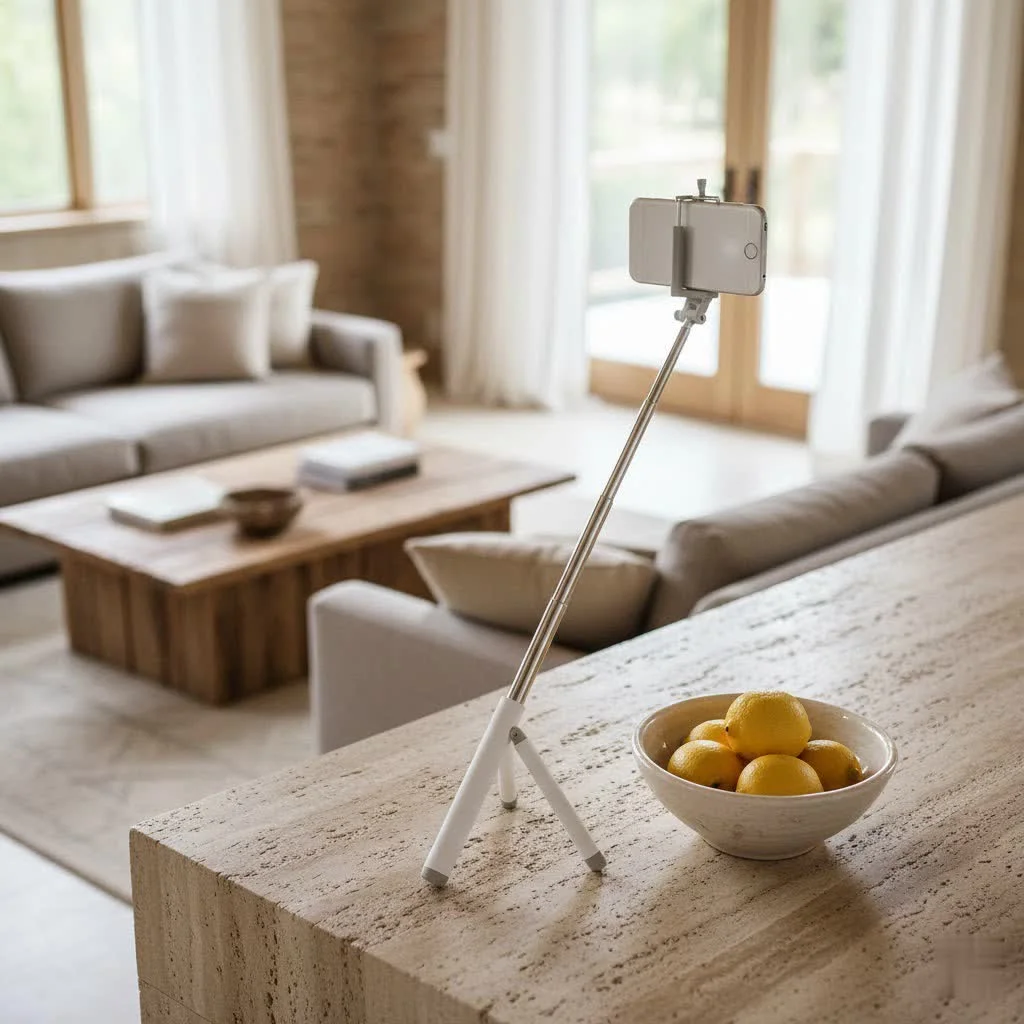
For many, this is the sweet spot. A selfie stick that doubles as a tripod offers incredible versatility. When you need to get a stable group shot, a time-lapse, or even a self-portrait from a distance, simply unfold the integrated legs, set it down, and use the remote. These models typically feature extendable poles made from sturdy materials and provide a secure base for your device. They are perfect for travelers who want flexibility without carrying multiple accessories.
The Content Creator’s Companion: Advanced Features for Vlogging and More
|
Our Picks for the Best Selfie Stick in 2026
As an Amazon Associate I earn from qualifying purchases.
|
||
| Num | Product | Action |
|---|---|---|
| 1 | Phone Tripod & Selfie Stick with Remote, Portable, Lightweight for Video Recording Vlog, Extendable Travel Tripod Stand Compatible with iPhone Android, Black, 62\" |

|
| 2 | TONEOF 68\" Magnetic Selfie Stick Tripod with Aluminum Strong Magnetic Holder for Magsafe, 360° Rotatable Travel Phone Tripod Stand with Metal Ring & Rechargeable Remote for iPhone/Android(Beige Gray) |
|
| 3 | MAGIC JOHN Phone Tripod, Portable Selfie Stick, Pocket Size Tripod for iPhone, Selfie Stick with Detachable Remote Control & 2 Fill Light for Photograph, Live Streaming, Video Recording |
|
| 4 | Phone Tripod Stand with Bluetooth Remote, Selfie Stick for iPhone & Android, One-Click Open Portable Lightweight Tripod for Vlog Travel Photography (White) |
|
| 5 | ULANZI SK27 Extendable Phone Tripod, 61\" Selfie Stick for iPhone, 2 in 1 Adjustable Tripod with Bluetooth Remote Cold Shoe Mount, Portable Phone Stand Lightweight for Travel Photo Video Stream Vlog |
|
| 6 | TONEOF 68\" Magnetic Selfie Stick Tripod with Aluminum Strong Magnetic Holder for Magsafe, 360° Rotatable Travel Phone Tripod Stand with Metal Ring & Rechargeable Remote for iPhone/Android(Black) |
|
| 7 | Selfie Stick Travel Tripod for Cell Phone with Remote Control and Phone Holder, Extendable Selfie Stick for iPhone, iPhone Tripod for Video Recording, 50 Inch, Black |
|
| 8 | LỖI |
|
| 9 | SelfieShow Selfie Stick, Extendable Selfie Stick Tripod with Wireless Remote and Tripod Stand, Portable, Lightweight, Compatible with iPhone 15 14 13 12 Pro Xs Max X 8Plus, Samsung Smartphone and More |
|
| 10 | ATUMTEK Selfie Stick Tripod, 3-in-1 Extendable Aluminum Phone Tripod with Detachable Bluetooth Remote, Compatible with iPhone 17/16/15/14/13/12/11/11 Pro/XS Max/XR and Samsung Smartphones, Black |
|
If you’re serious about creating high-quality videos and photos for platforms like YouTube, Instagram, or TikTok, you’ll want a stick that brings more to the table. These often include:
- Gimbal Integration: Some advanced sticks combine selfie stick functionality with a stabilizing gimbal, eliminating shaky footage and producing buttery-smooth video, even while moving.
- Extended Reach and Stability: Vlogging sticks often boast impressive extension lengths (up to 60+ inches) and superior stability to support external microphones or LED lights.
- Accessory Mounts: Universal 1/4″ screw mounts and cold shoe mounts allow you to attach professional lighting, external microphones, or other accessories, transforming your phone into a mini studio.
The Adventure Seeker: Rugged and Ready for Action
For the thrill-seekers, hikers, and water sports enthusiasts, durability and specific camera compatibility are paramount. These selfie sticks are built to withstand the elements:
- Waterproof Construction: Essential for capturing underwater shots or surviving unexpected downpours.
- Action Camera Compatibility: Many are designed to seamlessly integrate with GoPros, Insta360, and other action cameras, often featuring mounts that make the stick “invisible” in 360-degree footage.
- Robust Materials: Typically made from high-grade aluminum or stainless steel, these sticks can take a beating and keep your precious gear secure.
Key Features to Target When Choosing Your Ideal Stick
Navigating the vast market requires knowing what features truly matter. Based on years of hands-on testing, here’s what I recommend prioritizing:
Compatibility is King
Before anything else, ensure your chosen selfie stick is compatible with your device.
- Phone Size: Not all clamps fit all phones, especially larger “Plus” or “Ultra” models. Check the maximum width the clamp can accommodate.
- Camera Type: If you plan to use an action camera or a small mirrorless camera, look for models with a universal 1/4″ screw mount, not just a phone clamp.
- Operating System: Bluetooth remotes are generally compatible with both iOS and Android, but it’s always worth a quick check.
Build Quality and Durability
This is where many cheap selfie sticks fall short. A robust build ensures both the longevity of the stick and the safety of your device.
- Material: Prioritize selfie sticks made from aluminum alloy or stainless steel. These materials offer superior durability, resistance to corrosion, and stability compared to flimsy plastic models.
- Joints and Locking Mechanisms: Ensure the telescopic sections extend smoothly and lock securely into place, preventing accidental collapses or wobbles.
The Right Reach: Length Matters
Consider both the folded and extended length.
- Portability: A compact folded length (ideally 7-8 inches) makes it easy to carry.
- Extension: A longer extended length (30-60+ inches) allows for wider shots, more inclusive group photos, and unique perspectives. However, longer extensions can sometimes mean less stability.
Stability and Security: Protecting Your Device
Your phone or camera is a valuable investment, so its security is paramount.
- Phone Clamp: Look for a secure, spring-loaded, or even better, a screw-tightened clamp. Screw-tightened clamps offer superior grip and are less likely to loosen or drop your phone, especially during dynamic movements.
- Anti-Slip Grip: A comfortable, non-slip handle is essential for secure handheld use, preventing accidental drops.
- Tripod Base: If it has tripod legs, ensure they are wide and sturdy enough to prevent tipping, even when the pole is fully extended.
Wireless Control: The Power of Bluetooth Remotes
A detachable Bluetooth remote is almost a non-negotiable feature for serious users.
- Freedom: It allows you to trigger the shutter from a distance, perfect for group shots or when using the stick as a tripod.
- Range and Battery Life: Look for remotes with a decent operating range (up to 33 feet/10 meters) and a good battery life (many rechargeable lithium batteries last for thousands of photos).
Beyond the Basics: Extra Perks
Some additional features can significantly enhance your shooting experience:
- Integrated LED Ring Light: Great for improving lighting in low-light conditions or for vlogging.
- 360-Degree Rotation: Allows you to quickly switch between landscape and portrait orientations, or capture panoramic shots with ease.
- Universal Mounts: A 1/4″ screw thread on the top and bottom can expand its utility, allowing you to mount cameras or even attach it to a larger tripod.
My Pro Tips for Capturing Stunning Photos and Videos
With the right “target selfie stick” in hand, it’s time to unleash your creativity. Here are some of my go-to tips:
- Master the Angle: Don’t always shoot straight on. Experiment with higher or lower angles to add drama and perspective. A slightly elevated shot can be very flattering.
- Utilize the Tripod: For crisper images and creative long exposures (if your phone supports it), always use the tripod function. It minimizes shake, especially in low light or for videos.
- Mind the Background: Just because you’re in the shot doesn’t mean the background isn’t important. Use the extended reach to include more of your surroundings, or position yourself to feature an interesting backdrop.
- Embrace the Remote: The Bluetooth remote is your best friend for group shots and discreet photography. It allows you to frame the shot perfectly and trigger the shutter without awkwardly stretching your arm.
- Stabilize Your Video: When shooting video handheld, try to move smoothly and avoid sudden jerks. If your stick has a gimbal, learn to use it effectively. Even without one, a firm grip and conscious, slow movements can make a huge difference.
“Choosing a selfie stick is an investment in your memories and your creative output,” says Dr. Lena Sharma, a renowned gadget reviewer and mobile photography consultant. “It’s about empowering yourself to capture stories from unique perspectives, and the right tool makes all the difference.”
Maximizing Lifespan: Care and Maintenance for Your Selfie Stick
A good selfie stick, much like any piece of photographic equipment, will last longer with proper care.
- Keep it Clean: Wipe down the pole and handle regularly, especially after outdoor use. If it’s waterproof, rinse off saltwater or dirt.
- Protect the Clamp: Ensure the phone clamp is free of debris that could scratch your device.
- Store Properly: When not in use, collapse the stick fully and store it in a dry place. Many come with a small carrying pouch.
- Battery Care: For Bluetooth models, remember to charge the remote’s battery periodically, even if not in regular use, to maintain its health.
FAQ
What’s the ideal length for a selfie stick?
The ideal length depends on your use. For casual selfies and portability, a stick that extends 20-30 inches is sufficient. For group shots, vlogging, or wider backgrounds, aim for 40-60+ inches, but balance length with stability.
Are Bluetooth selfie sticks reliable?
Yes, modern Bluetooth selfie sticks are generally very reliable. They offer excellent wireless range (up to 33 feet/10 meters) and stable connections with most smartphones. Ensure the remote has a good battery life or is easily rechargeable.
Can I use a selfie stick with a heavy camera?
Most selfie sticks are designed for smartphones. If you plan to use a heavier device like a mirrorless camera or a small DSLR, you’ll need a heavy-duty selfie stick specifically designed for such payloads, often featuring a more robust build and a universal 1/4″ screw mount.
What’s the difference between a selfie stick and a monopod?
A selfie stick is essentially a specialized monopod designed for self-portraits, usually lighter and optimized for smartphones. A traditional monopod is typically sturdier, longer, and designed to support heavier cameras, offering stability but usually lacking a phone clamp or remote shutter built-in.
How do I connect my selfie stick to my phone?
For Bluetooth selfie sticks, simply turn on the stick’s remote, go to your phone’s Bluetooth settings, and pair with the device. Wired sticks plug directly into your phone’s headphone jack.
Are selfie sticks allowed everywhere?
While widely accepted, some specific venues (museums, theme parks, large events) prohibit selfie sticks for safety or crowd management reasons. Always check local rules or venue policies if you’re unsure.
The Perfect Shot is Within Reach
As a passionate advocate for creative photography, I firmly believe that the right “target selfie stick” can dramatically enhance your ability to capture life’s moments. It’s more than just an accessory; it’s an extension of your creative vision. By understanding the different types, prioritizing key features, and applying some professional tips, you can confidently choose a selfie stick that not only meets your needs but truly elevates your photography and videography. Don’t settle for mediocre shots; explore our detailed reviews on Spaod.com, find your perfect match, and start creating images you’ll be proud to share.
Get our weekly buyer guide
Practical specs, not advice. Unsubscribe anytime.
The tip about considering a stick with a built-in tripod feature was exactly what I needed! I love taking time-lapse videos and group photos, and having that extra stability without carrying a separate tripod is incredibly convenient. It’s really helped me get more creative with my mobile photography and capture some amazing moments.
I used to struggle so much with getting everyone in the frame during family vacations, especially with scenic backgrounds. The advice about looking for a stick with a wider phone clamp was a game-changer for my larger phone. Now I can finally get those wide-angle shots without cutting anyone out. It’s made a huge difference in our travel photos!
I was always hesitant about selfie sticks, thinking they were all flimsy. But after reading about the importance of material quality, I invested in a more robust aluminum alloy one. It feels so much sturdier and I’m not worried about my phone falling out. The stability it offers for video recording is also a huge plus for my vlogs.
I picked up one of the recommended Bluetooth models, and while the remote works great, I found the battery life on the stick itself to be a bit shorter than I expected. It’s fine for a quick outing, but for a full day of exploring, I definitely need to remember to charge it beforehand. Still, it’s pretty stable for the price.