Hey there, fellow photography fanatics! As someone who’s spent over a decade with cameras in hand and technology on the brain, I’ve seen firsthand how the right gear can transform your shots. And when it comes to capturing yourself, your friends, or that breathtaking landscape from a fresh perspective, a good Camera Selfie Stick is an absolute game-changer. It’s not just a flimsy pole; it’s an extension of your creative vision, a tool that can unlock angles and possibilities you never thought possible. Here at Spaod.com, we’re all about helping you find that perfect match and then pushing its capabilities to the max.
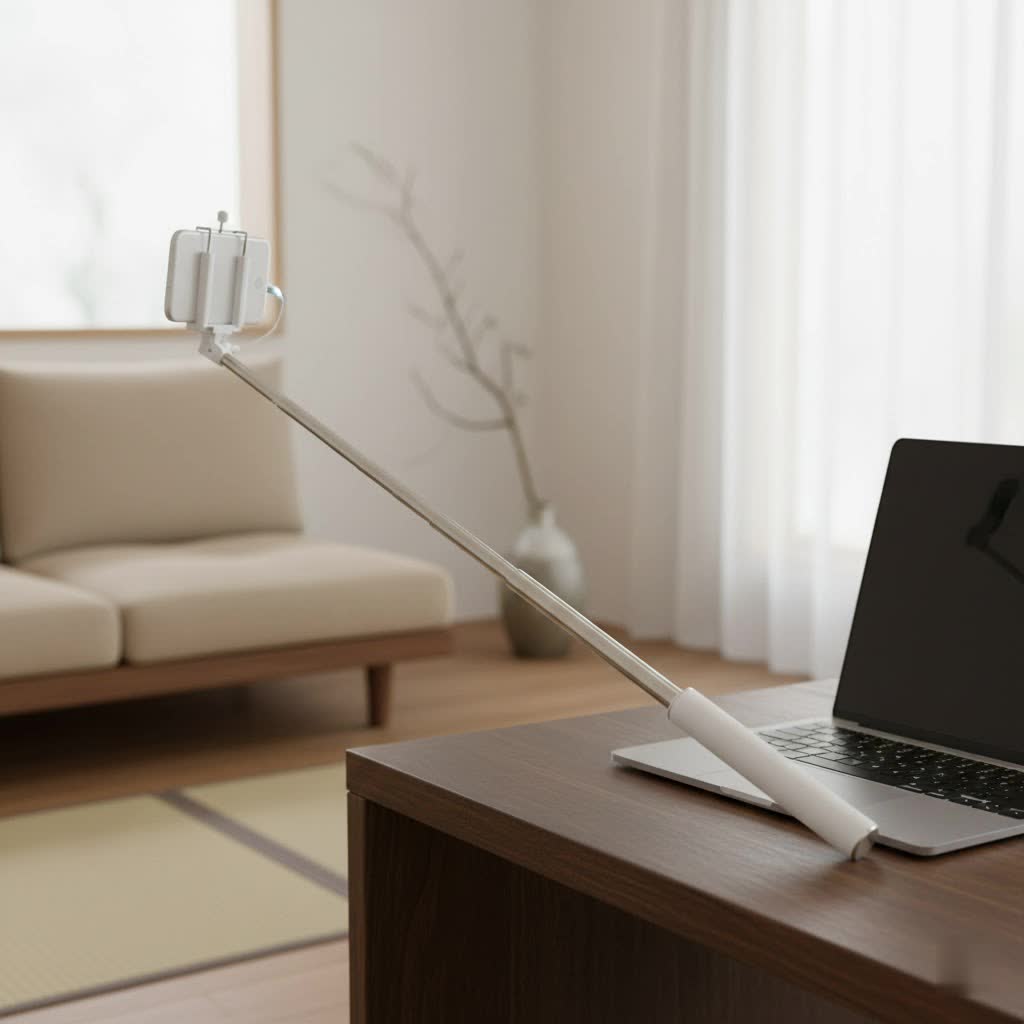
Why a Camera Selfie Stick is Your Next Essential Photography Tool
Forget the old stereotype; modern camera selfie sticks are far more than just a way to squeeze everyone into a group shot. They’ve evolved into sophisticated tools that empower creators like us to capture stunning photos and videos, adding a professional touch to everything from vlogs to travel documentaries. They extend your reach, providing stable shots and unique vantage points that a handheld phone or camera simply can’t achieve. This means less awkward arm-stretching, reduced camera shake, and a whole new world of creative angles for your content.
Decoding the World of Camera Selfie Sticks: Types and Their Superpowers
The market is flooded with options, and understanding the different types of camera selfie sticks is your first step to making an informed choice. Each kind brings its own set of advantages, perfectly tailored for various shooting scenarios.
The Classic Go-To: Simple & Extendable Sticks
|
Our Picks for the Best Selfie Stick in 2026
As an Amazon Associate I earn from qualifying purchases.
|
||
| Num | Product | Action |
|---|---|---|
| 1 | TONEOF 68\" Magnetic Selfie Stick Tripod with Aluminum Strong Magnetic Holder for Magsafe, 360° Rotatable Travel Phone Tripod Stand with Metal Ring & Rechargeable Remote for iPhone/Android(Black) |

|
| 2 | ULANZI SK27 Extendable Phone Tripod, 61\" Selfie Stick for iPhone, 2 in 1 Adjustable Tripod with Bluetooth Remote Cold Shoe Mount, Portable Phone Stand Lightweight for Travel Photo Video Stream Vlog |
|
| 3 | Selfie Stick Travel Tripod for Cell Phone with Remote Control and Phone Holder, Extendable Selfie Stick for iPhone, iPhone Tripod for Video Recording, 50 Inch, Black |
|
| 4 | SelfieShow Selfie Stick, Extendable Selfie Stick Tripod with Wireless Remote and Tripod Stand, Portable, Lightweight, Compatible with iPhone 15 14 13 12 Pro Xs Max X 8Plus, Samsung Smartphone and More |
|
| 5 | Phone Tripod Stand with Bluetooth Remote, Selfie Stick for iPhone & Android, One-Click Open Portable Lightweight Tripod for Vlog Travel Photography (White) |
|
| 6 | TONEOF 68\" Magnetic Selfie Stick Tripod with Aluminum Strong Magnetic Holder for Magsafe, 360° Rotatable Travel Phone Tripod Stand with Metal Ring & Rechargeable Remote for iPhone/Android(Beige Gray) |
|
| 7 | MAGIC JOHN Phone Tripod, Portable Selfie Stick, Pocket Size Tripod for iPhone, Selfie Stick with Detachable Remote Control & 2 Fill Light for Photograph, Live Streaming, Video Recording |
|
| 8 | ATUMTEK Selfie Stick Tripod, 3-in-1 Extendable Aluminum Phone Tripod with Detachable Bluetooth Remote, Compatible with iPhone 17/16/15/14/13/12/11/11 Pro/XS Max/XR and Samsung Smartphones, Black |
|
| 9 | Phone Tripod & Selfie Stick with Remote, Portable, Lightweight for Video Recording Vlog, Extendable Travel Tripod Stand Compatible with iPhone Android, Black, 62\" |
|
| 10 | LỖI |
|
These are your bread-and-butter selfie sticks: straightforward, lightweight, and designed for portability. They typically feature a basic telescopic pole and a clamp for your smartphone.
Pros: Highly portable, easy to use, and generally the most affordable option. Great for quick snaps on the go.
Cons: Limited in features, often less stable at full extension, and primarily designed for smartphones.
The Versatile Transformer: Selfie Stick Tripod Hybrids
Many modern camera selfie sticks cleverly integrate a tripod into their design. The handle splits open to form a stable base, allowing you to set your device down for hands-free shooting.
Pros: Offers dual functionality as both a handheld stick and a stable tripod, perfect for group photos, time-lapses, or vlogging. Eliminates the need for a separate tripod.
Cons: Can be bulkier and slightly heavier than basic sticks. The tripod legs on some models might be short or less stable on uneven terrain.
The Invisible Hand: 360 Camera Selfie Sticks
If you’re into 360-degree photography or videography, these sticks are a must. They are specifically designed to be “invisible” in your 360 footage, giving the illusion that your camera is floating.
Pros: Creates seamless, unobstructed 360 content. Often sturdy and optimized for specific action cameras.
Cons: Specialized for 360 cameras, may not be ideal for standard smartphone photography without specific adapters.
The Powerhouse Performer: Sticks with Built-in Batteries
Some advanced camera selfie sticks come with integrated power banks or remote controls powered by a rechargeable battery. This means more juice for your phone or action camera.
Pros: Extends your device’s battery life, ensuring you don’t miss a shot. Remote shutter buttons provide greater control and smoother operation.
Cons: Generally heavier and can be more expensive due to the added battery components.
The Action-Ready Companion: Waterproof & Rugged Sticks
For the adventurous souls, there are camera selfie sticks built to withstand the elements. These are often made from durable, corrosion-resistant materials and are designed for action cameras.
Pros: Highly durable, weather-resistant, and perfect for watersports, hiking, or extreme environments.
Cons: May offer fewer smart features like built-in remotes or tripods compared to other types.
Choosing Your Perfect Camera Selfie Stick: What to Look For
Selecting the right camera selfie stick doesn’t have to be complicated. With my years of experience, I’ve boiled it down to a few critical factors that will guide you to the perfect pick.
Compatibility is Key: Device Mounts & Threading
First and foremost, your camera selfie stick needs to hold your device securely.
Smartphone Clamp: Ensure the clamp can accommodate your phone’s width, especially if you use a protective case. Look for secure, rubber-padded clamps that grip firmly without scratching. Some high-quality options feature screw-tightened mounts for maximum security, which I always recommend for peace of mind.
1/4″-20 Screw: This universal thread is standard on most compact cameras, action camera accessories, and even some smaller mirrorless cameras. If you plan to use more than just your phone, make sure your stick has this versatile mounting option.
Weight Limits: Be realistic. While some robust sticks can handle compact cameras, most selfie sticks are not designed for heavy DSLRs or professional mirrorless setups. Overloading can lead to instability and potential damage to your gear.
Reach for the Stars: Length & Portability
The stick’s length, both collapsed and extended, significantly impacts its usability.
Collapsed Size: For travel and everyday carrying, a compact folded length (typically 7-12 inches) is crucial. It should fit easily into your bag or even a larger pocket.
Extended Length: A longer extension (anywhere from 26 to over 60 inches) allows for wider group shots, more expansive backgrounds, and creative high-angle perspectives. Consider your primary use: a shorter stick is fine for close-up selfies, but a longer one opens up cinematic possibilities.
Stay Connected: Remote Control Options
A remote shutter release is invaluable, allowing you to trigger your camera without touching your device, which minimizes shake and makes self-portraits effortless.
Bluetooth Remote: These offer wireless freedom, typically with a range of up to 30 feet. They require pairing with your device and need occasional charging (often a small button battery or rechargeable via USB).
Wired Connection: Some sticks connect via your phone’s headphone jack (3.5mm) or USB-C port. These are highly reliable as they draw power from your phone and don’t need charging, but they are limited by cable length and port compatibility.
Built-in vs. Detachable: Many sticks have a remote integrated into the handle, while others offer a detachable remote, giving you more flexibility to step away from the stick for wider shots.
Built to Last: Material & Stability
Durability ensures your investment lasts, and stability prevents blurry shots or worse, a dropped device.
Material: Look for robust materials like aluminum alloy, which offers a great balance of strength and lightness. Avoid flimsy plastic options if durability is a priority.
Clamp Security: As mentioned, screw-tightened clamps provide superior grip compared to simple spring-loaded ones, especially during active use.
Tripod Stability: If opting for a hybrid, check the leg spread and overall construction of the tripod base. Wider leg spreads generally mean better stability.
Angle & Adaptability: Adjustable Heads & Extra Features
The more flexible your stick is, the more creative you can get.
Adjustable Head: A head that allows for at least 180° tilt and 360° rotation is essential for framing your shots perfectly, whether you’re shooting horizontally or vertically.
Cold Shoe Mounts: Some advanced sticks include cold shoe mounts, allowing you to attach accessories like external LED lights or microphones, turning your selfie stick into a mini mobile studio.
“A truly great camera selfie stick isn’t just about extending your arm; it’s about extending your creative reach. Look for versatility in its design and robust build quality that you can trust in any scenario.” – Ava Chen, Lead Product Reviewer at Spaod.com
Pro Tips for Stunning Photos & Videos with Your Camera Selfie Stick
Now that you’ve got your perfect camera selfie stick, let’s unlock its full potential.
- Mastering the Angles: Experiment! Try holding the stick high for an expansive, almost drone-like view of a crowd or landscape. Go low to create a dramatic, heroic perspective that emphasizes your subject. For group photos, extending the stick horizontally can capture everyone comfortably.
- Stabilization Techniques: Even with a sturdy stick, conscious effort helps. Hold the stick firmly with both hands (if possible for longer sticks) and engage your core. If you have a tripod-hybrid, use it for stationary shots to eliminate all shake.
- Lighting Considerations: Using a cold shoe mount for a small LED panel can dramatically improve your lighting, especially for vlogging or low-light selfies. Position the light slightly above and in front of your face for flattering results.
- Composition Tips: Don’t always put yourself dead center. Use the rule of thirds to place your subject off-center, making for a more dynamic and engaging photo. Allow the extended reach to incorporate leading lines or interesting foreground elements.
- Vlogging with Flow: For smooth video, try to keep the stick movement consistent and steady. Practice walking with your stick, keeping your subject (usually yourself) centered in the frame. Many modern phones have excellent built-in stabilization that complements the stick.
Caring for Your Camera Selfie Stick: Longevity & Performance
A little care goes a long way in ensuring your camera selfie stick remains a reliable companion for years.
- Cleaning: After outdoor adventures, especially near sand or water, gently wipe down your stick with a damp cloth to remove any debris. Pay special attention to telescopic sections and locking mechanisms.
- Storage: Store your stick in a dry place, ideally collapsed to protect the extending sections. If it has a detachable remote, consider removing the battery during long periods of non-use to prevent corrosion.
- Avoid Overtightening/Overextending: Don’t force telescopic sections or clamp screws. Gentle but firm is the key. Be mindful of the maximum extension to prevent unnecessary strain on the joints.
Conclusion
The camera selfie stick has evolved far beyond a fleeting trend; it’s an indispensable tool for anyone looking to elevate their photography and videography. From classic extendable poles to versatile tripod hybrids and specialized 360-camera companions, there’s a perfect stick out there for every creator. By understanding the types, focusing on key features like compatibility and build quality, and applying a few pro tips, you can unlock incredible creative possibilities. So go ahead, find your ideal camera selfie stick, confidently capture those stunning moments, and share your unique perspective with the world.
Frequently Asked Questions
What is the difference between a selfie stick and a monopod?
A selfie stick is essentially a specialized type of monopod, designed specifically for holding a camera or smartphone at arm’s length for self-portraits. While a monopod is a single-leg support typically used for stabilizing heavier cameras and lenses, a selfie stick prioritizes portability, ease of use for self-capture, and often includes features like remote shutters and phone clamps.
Can I use a camera selfie stick with my DSLR?
Most camera selfie sticks are designed for lighter devices like smartphones, action cameras, or small compact cameras. While some heavy-duty models might support a very lightweight mirrorless camera with a small lens, full-sized DSLRs or heavier mirrorless setups are generally too heavy for standard selfie sticks and can cause instability or damage. Always check the stick’s maximum weight capacity.
Are Bluetooth selfie sticks reliable?
Yes, modern Bluetooth selfie sticks are generally very reliable. They offer wireless convenience, allowing you to trigger your camera from a distance. Reliability can depend on battery life, proximity to your device, and proper pairing, but most models provide a stable connection for consistent shooting.
How do I make my selfie stick disappear in 360 photos?
To make a selfie stick “disappear” in 360 photos, you need a 360-degree camera and a compatible “invisible” selfie stick. The camera stitches together multiple images, and if the stick is thin enough and positioned correctly (usually directly below the camera), the stitching software can digitally remove it, creating the illusion of a floating camera.
What features should a good camera selfie stick have for travel?
For travel, prioritize a camera selfie stick that is compact when folded (fitting easily into luggage), lightweight for portability, and durable enough to withstand travel rigors. A built-in tripod and a reliable Bluetooth remote are also highly beneficial for capturing diverse shots on the go.
How do I connect my camera selfie stick to my phone?
Most modern camera selfie sticks connect to your phone via Bluetooth. Simply power on the stick, enable Bluetooth on your phone, and select the stick from the list of available devices to pair. For wired sticks, you’ll plug a cable into your phone’s headphone jack or charging port. Always check the manufacturer’s instructions for specific pairing or connection steps.
